

French-made furniture represents a harmonious blend of artisanal heritage and contemporary design. In a world where authenticity and sustainability are increasingly valued, these creations stand out for their quality, aesthetics, and respect for tradition. This article explores the key players in the industry, current trends, and the values driving this movement.
An age-old craft serving modern design
France has a rich tradition of craftsmanship, from cabinetmakers and upholsterers to metalworkers and enamel artists. These skills, passed down through generations, are now being reimagined by contemporary creators who incorporate them into innovative, modern pieces.
Workshops at the heart of creation
Studios like Ymer&Malta, founded by Valérie Maltaverne, are known for their dedication to the “slow made” movement a philosophy that values the time and care required to create exceptional pieces. Their “Eidos” collection, developed with designer Benjamin Graindorge, was commissioned by the Mobilier National and showcased at major international design fairs.
Similarly, Studio Ler in Brittany has revived the art of enamelled lava. Their “TATO” stool has been acquired by a contemporary art museum, reflecting growing institutional interest in heritage techniques reimagined through a modern lens.
A bold contemporary aesthetic
French designers are reshaping traditional furniture by integrating clean lines, innovative materials, and enhanced functionality. Brands like Ligne Roset, known for its creative collaborations, and Fermob, famous for its Bistro chair, perfectly embody this evolution.
These designs are increasingly aligned with eco-responsible values, using sustainable materials and environmentally respectful production processes. This approach reflects a growing demand for products that combine beauty, quality, and ethical values.
Current trends in French furniture design
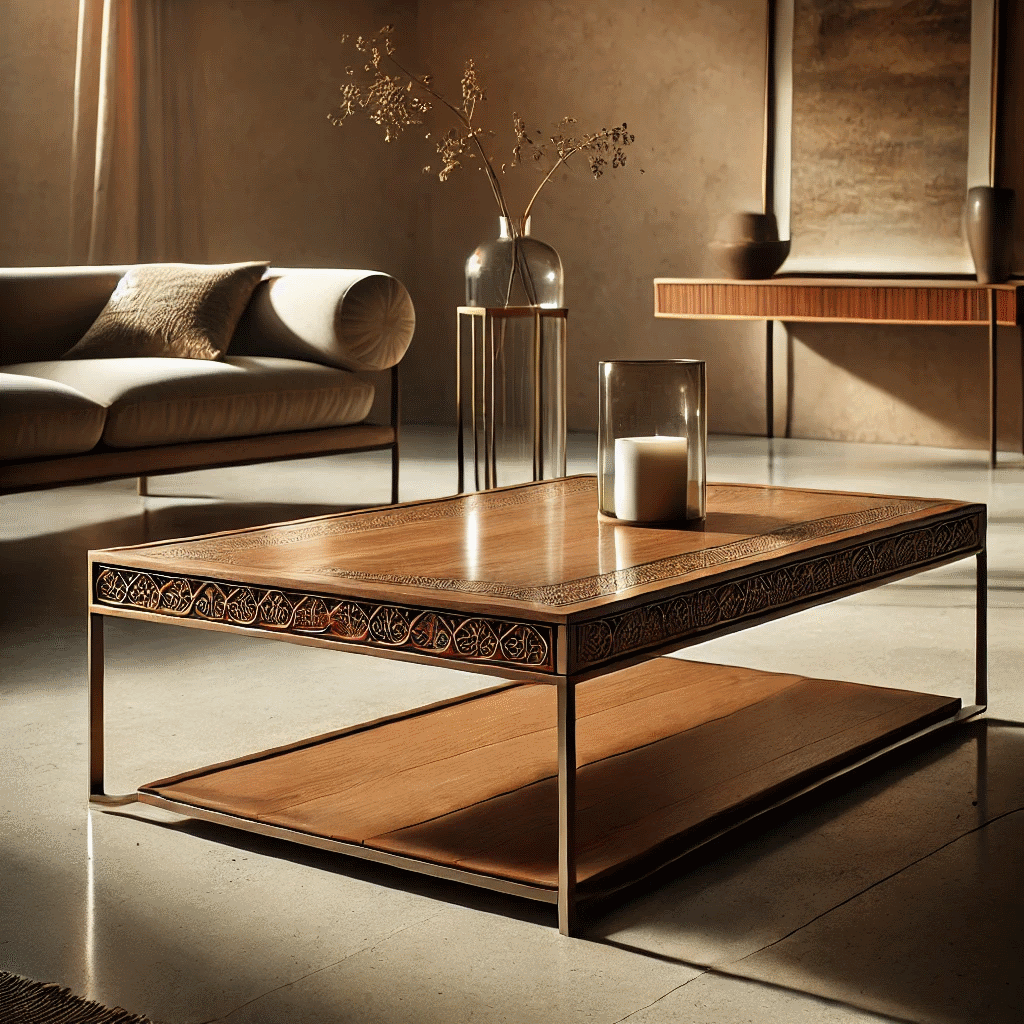
Minimalism and functionality
Modern interiors lean toward sleek, minimalist furniture that emphasizes practical use without compromising aesthetics. Key trends include:
- Modular or convertible furniture
- Discreet, smart storage solutions
- Natural materials like raw wood or limestone
Sustainability and eco-friendly materials
In response to environmental challenges, many designers are adopting greener practices:
- Wood sourced from sustainably managed forests
- Non-toxic adhesives and finishes
- Recycling of production waste
- Short supply chains and local manufacturing
Craftsmanship and customization
Consumers increasingly seek authenticity and unique, handmade pieces. French workshops are answering the call by offering bespoke creations that showcase exceptional craftsmanship:
- Made-to-order furniture tailored to individual needs
- Custom finishes, sizes, and materials
- Direct collaboration between customer and artisan
Key players in French-made furniture
- Ligne Roset: A historic brand since 1860, offering bold yet timeless furniture. Its iconic Togo sofa by Michel Ducaroy has become a symbol of French design.
- Fermob: Specializing in outdoor furniture, Fermob is beloved for its colorful, durable creations. The Bistro chair has become a design classic seen on patios worldwide.
- Ymer&Malta: This Paris-based studio produces exceptional, limited-edition pieces that merge artisanal techniques with avant-garde design.
- Studio Ler: This Breton duo breathes new life into enamelled lava, creating artistic, functional pieces that appeal to fans of unique, sustainable design.
2025 trends in French-made furniture
In 2025, French furniture continues to gain attention for its innovative yet tradition-rooted designs. Consumers are increasingly looking for locally made, sustainable, and ethically produced pieces. Many French brands are now adopting circular economy principles recycling materials, repurposing leftover stock, and prioritizing repairable designs.
Industry events like Made in France Première Vision and Maison&Objet are showcasing emerging brands that combine bold creativity with environmental responsibility.
Conclusion
French-made furniture strikes the perfect balance between heritage and modernity. Behind every piece lies a story, a skill, and a passion. In an age of mass production and global uniformity, French furniture offers an authentic, durable, and meaningful alternative. Choosing furniture made in France means investing in thoughtful design, supporting local craftsmanship, and preserving a unique cultural legacy.


